




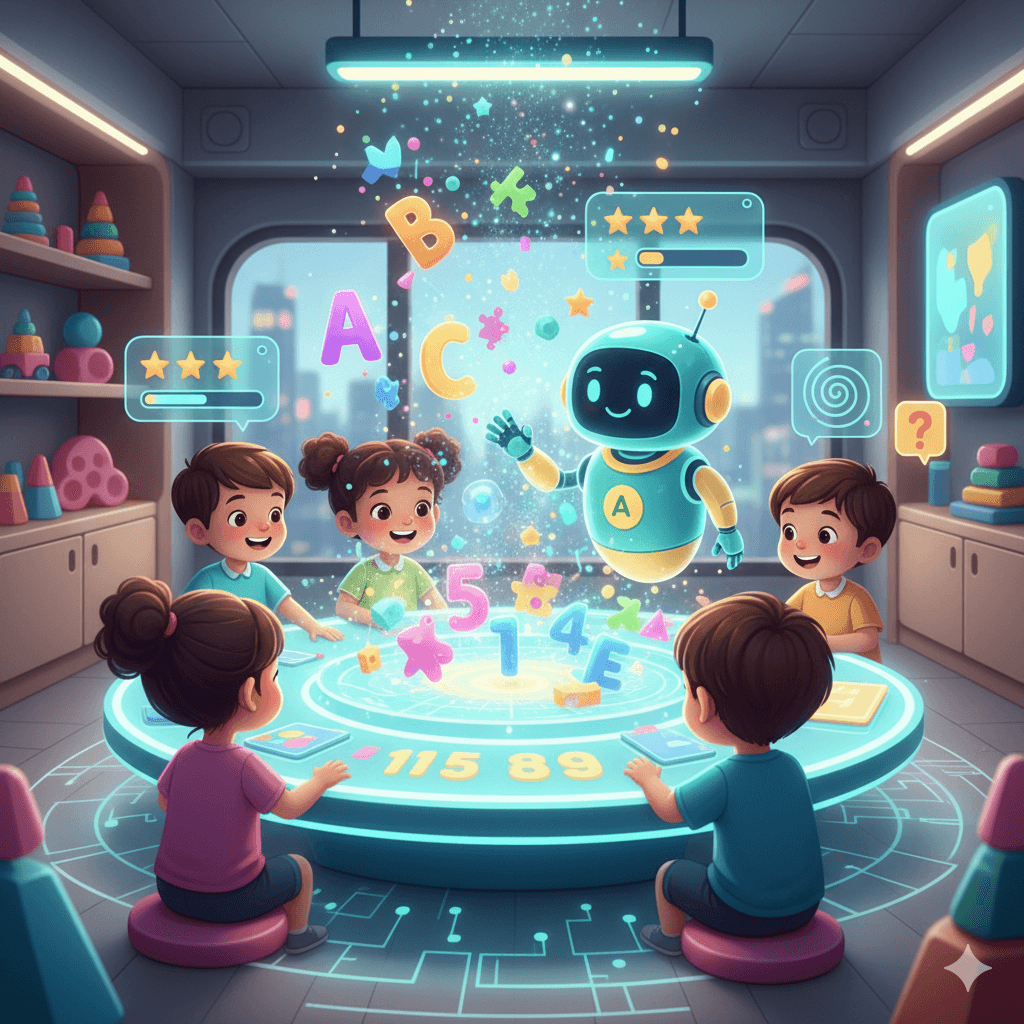
In 2025, learning is no longer limited to classrooms and textbooks. Children are exploring new worlds, solving real-life problems, and building essential skills—all through AI-powered smart play. These adaptive games personalize learning experiences based on each child’s ability, curiosity, and progress, creating a new era of fun-driven education.
What Is AI-Driven Smart Play?
AI-driven smart play combines artificial intelligence with interactive games to support learning through personalized engagement. Instead of a one-size-fits-all model, these games adjust in real time—making learning comfortable, challenging, and exciting.
How Adaptive Learning Works
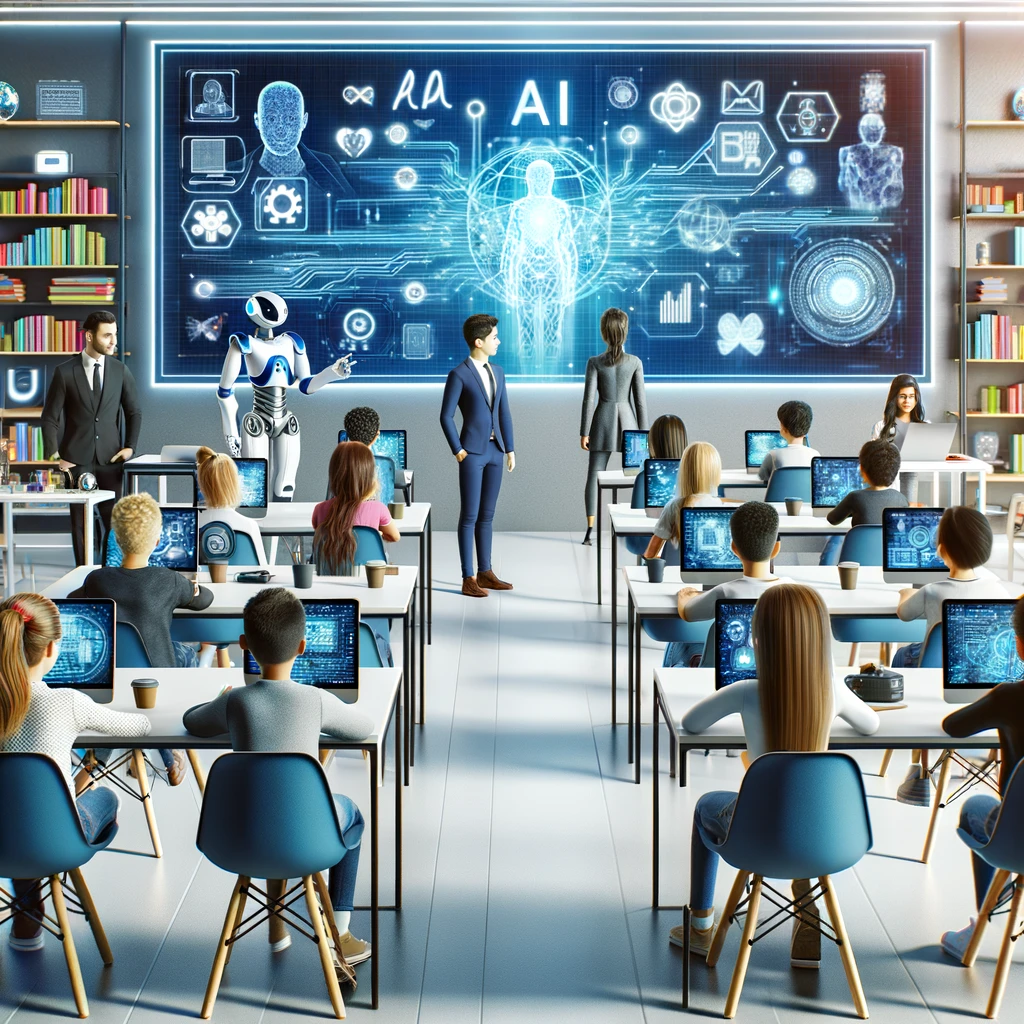
AI-powered smart games:
Track a child’s progress
Analyze speed + accuracy
Identify strengths + weaknesses
Automatically adjust difficulty
Provide tailored rewards + challenges
This creates a unique learning path for every child.
Key Advantages
1. Personalized Learning Journeys
Every child learns differently—AI adapts game content to suit their learning pace, style, and skill level.
2. Safe + Controlled Playtime
With parental dashboards, adults can monitor learning outcomes, time spent, and skill development safely.
3. Boosts Core Skills
Children develop:
- Logical thinking
- Problem-solving
- Decision-making
- Creativity
- Fine motor skills
4. Instant Feedback
Smart play games offer real-time corrections to keep kids on track without stress.
5. Engaging & Fun Learning
Reward systems, immersive storylines, and interactive challenges make learning feel like play—not work.
Skills Developed Through Smart Play
| Skill | Benefit |
|---|---|
| Cognitive Thinking | Faster reasoning |
| Memory | Improved recall |
| Creativity | Imagination boost |
| Math & Language | Smooth foundational learning |
| Social-Emotional Learning | Better behavior & empathy |
Technologies Powering Smart Play in 2025
- AI + ML (Adaptive Difficulty)
- AR / VR (Immersive Environments)
- Speech Recognition
- Learning Analytics
- IoT Smart Toys
This powerful combination brings real-world + digital learning together.
Real-World Applications
Classrooms
Teachers use adaptive games to reinforce lessons and track performance.
Homes
Parents create smart learning schedules to support after-school growth.
Special Needs
Kids with autism, ADHD, or learning challenges benefit from sensory-friendly adaptive systems.
Examples of Smart Play Experiences
Math puzzles that get harder as a child improves
AR storytelling that teaches vocabulary
Smart robots that respond to children’s voice commands
Coding games that teach logic through animation
Safety & Ethics
Healthy smart play ensures:
Data privacy
Controlled screen time
Safe content
Transparent reporting
Responsible platforms follow child-safety standards to protect young players.
Future of Smart Play (Beyond 2025)
- Metaverse-based classrooms
- Emotion-recognition AI for emotional learning
- Physical + digital hybrid toys
- Learning companions powered by AI NPCs
The future blends imagination with intelligence.