





Cloud computing has become the backbone of modern business — powering AI systems, global collaboration, automation, and digital transformation. But the next five years will reshape the cloud landscape even more dramatically.
From smarter automation to AI-driven scalability, the future of cloud computing will redefine how companies build, operate, and innovate.
Here are the major trends that will shape cloud computing between 2025 and 2030 — and why they matter.
1. AI-Driven Cloud Platforms Become the New Standard
AI is no longer a feature — it’s becoming the core engine of cloud platforms.
Cloud providers will integrate AI to automate operations, manage infrastructure, and optimize resources in real time.
What this means:
- Automatic scaling without human intervention
- AI-powered cybersecurity and threat prediction
- Smart workload distribution based on cost & performance
- Faster, more efficient DevOps pipelines
Impact: Businesses get cloud systems that think, learn, and self-improve.
2. Edge Computing Will Explode in Adoption
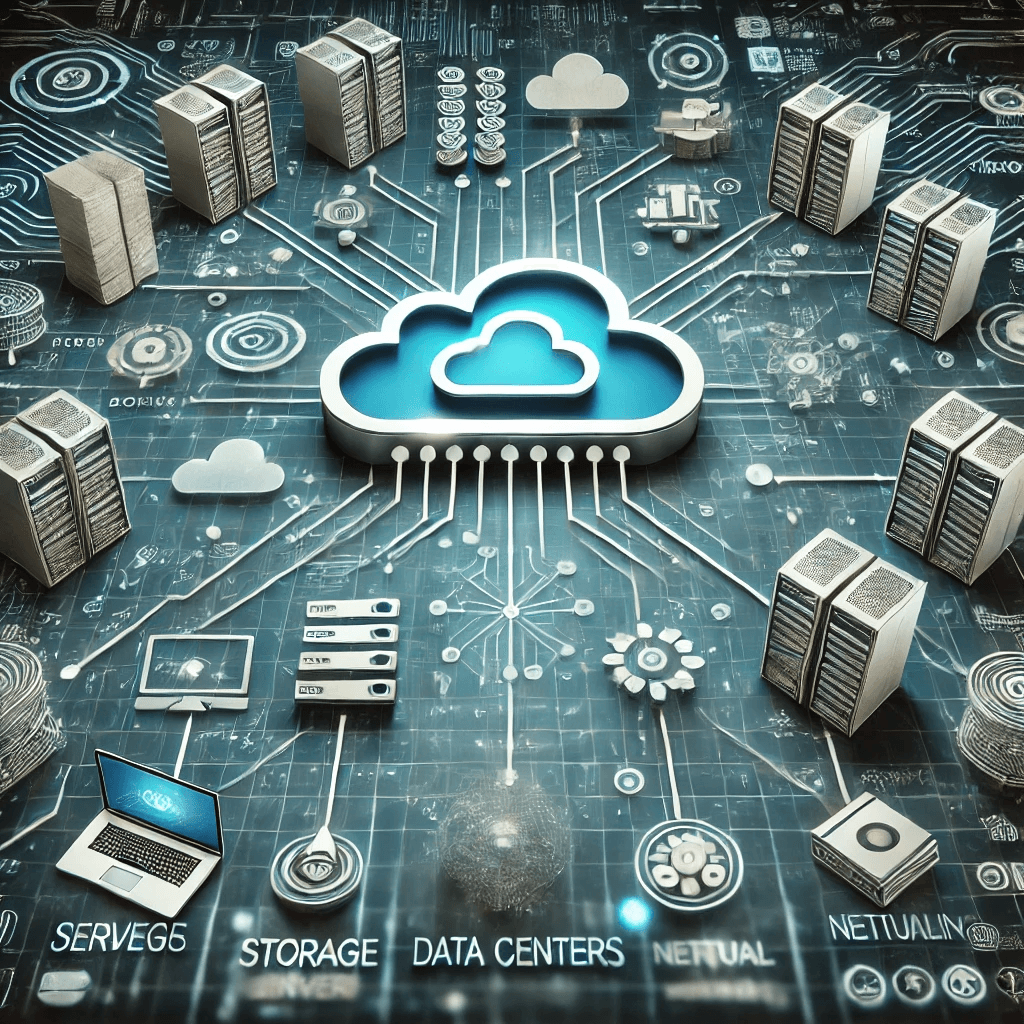
Instead of sending everything to the centralized cloud, companies will move processing closer to the user — at the edge.
Why edge matters:
- Faster response times
- Reduced latency for real-time apps
- Improved reliability
- Essential for IoT, autonomous vehicles, smart cities
Impact: Industries like healthcare, manufacturing, and transportation will run on edge-enabled systems.
3. Zero-Trust Security Becomes Mandatory
As cyber threats grow, companies will shift from traditional security to zero-trust architecture — “never trust, always verify.”
Expect:
- Continuous authentication
- AI-based threat detection
- Identity-focused access control
- Cloud-native security tools
Impact: Stronger protection, reduced risk, and compliance-ready systems.
4. Multi-Cloud Strategies Become the New Normal
Companies will stop relying on a single cloud provider and choose a multi-cloud approach for flexibility and cost control.
Benefits:
- Avoid vendor lock-in
- Better performance across regions
- Lower operational costs
- Customized solutions per workload
Impact: Businesses gain agility and negotiate better pricing.
5. Sustainable Cloud (Green Cloud) Takes Center Stage
By 2030, cloud providers will push toward carbon-neutral operations and energy-efficient data centers.
Green cloud priorities:
- Renewable-energy-powered facilities
- Optimized cooling systems
- Energy-efficient hardware
- AI-driven resource management
Impact: Reduced carbon footprints — and lower operating costs for everyone.
6. Industry Cloud Platforms (ICP) Grow Rapidly
Instead of generic cloud services, providers will offer industry-specific cloud platforms.
Examples:
- Healthcare cloud (HIPAA-compliant)
- Finance cloud (high security + analytics)
- Retail cloud (CX automation + inventory AI)
- Manufacturing cloud (IoT + robotics)
Impact: Faster digital transformation with ready-made tools tailored to each industry.
7. Cloud + AI + Automation = Intelligent Enterprises
The next evolution is the intelligent cloud ecosystem, where automation and AI merge with cloud workflows.
This includes:
- Self-healing systems
- Automated workflows across departments
- AI-assisted decision-making
- Predictive analytics for operations
Impact: Companies operate faster, smarter, and with fewer errors.
8. Serverless Computing Becomes Mainstream
Developers will build applications without worrying about managing servers at all.
Benefits:
- Only pay for execution time
- Rapid development
- Automatic scaling
- Lower complexity
Impact: Startups and enterprises save money and innovate faster.
9. Quantum Computing Integration Begins
While still early, 2025–2030 will be the decade cloud platforms begin offering quantum computing as a service.
Potential breakthrough areas:
- Drug discovery
- Encryption & cybersecurity
- Financial modeling
- Climate & energy simulations
Impact: Cloud providers will give businesses access to computational power once thought impossible.
Summary Table
| Trend | Impact (2025–2030) |
|---|---|
| AI-Driven Cloud | Smarter, automated systems |
| Edge Computing | Faster, real-time processing |
| Zero-Trust Security | Stronger protection |
| Multi-Cloud | More flexibility & control |
| Green Cloud | Sustainable operations |
| Industry Cloud | Industry-specific solutions |
| Intelligent Cloud | Automation + AI synergy |
| Serverless | Faster development & scaling |
| Quantum Cloud | Advanced computational power |
Contact IT Artificer
Website: itartificer.com
Email: info@itartificer.com
Phone: 0333-9296314